Best Saibaba Temples in India – OurTemples Guide
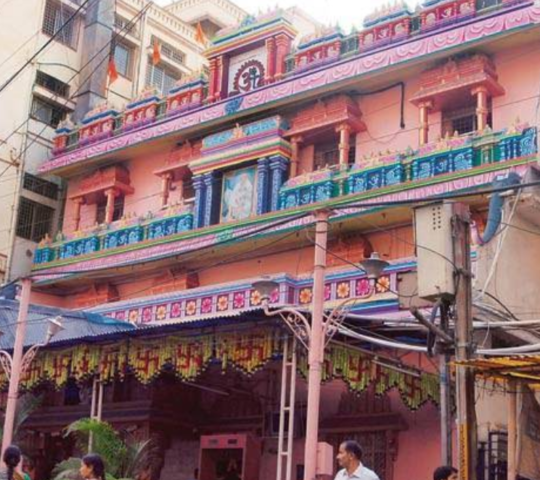
India is a land of spirituality, devotion, and ancient traditions. Among the many saints and spiritual figures who have shaped the country's religious landscape, Sai Baba of Shirdi stands out as one of the most beloved and universally revered. Millions of devotees across India and around the world seek blessings at a saibaba temple every single day, drawn by the saint's message of love, unity, and selfless service. Whether you are a lifelong devotee or someone exploring the spiritual heritage of India for the first time, visiting a Saibaba temple is an experience that touches the soul deeply.
Who Was Sai Baba?
Sai Baba of Shirdi was a spiritual master who lived in the small town of Shirdi in Maharashtra during the 19th and early 20th centuries. His exact origins remain a mystery, with some believing he was a Hindu and others claiming he was Muslim — a duality that he himself embraced to preach religious harmony. His teachings were simple yet profound: love all, serve all, and see God in every living being. He performed countless miracles, healed the sick, and guided thousands of devotees on the path of righteousness. After his passing in 1918, his legacy only grew stronger, and today the Saibaba temple in Shirdi attracts millions of pilgrims annually, making it one of the richest and most visited religious sites in India.
The Shirdi Sai Baba Temple – The Main Pilgrimage Centre
No discussion of Saibaba temples is complete without mentioning the original Shirdi Sai Baba Mandir in Maharashtra. Located in Shirdi village, about 296 kilometres from Mumbai, this sacred shrine is the heartbeat of the Sai devotion movement. The samadhi mandir, where Sai Baba's mortal remains rest, is the focal point of worship. Thousands of devotees queue for hours every day to catch a glimpse of the deity and offer their prayers. The temple complex also includes Dwarkamai, the old mosque where Sai Baba lived and performed miracles, and Chavadi, where he slept on alternate nights. The trust that manages the temple runs free meal services, accommodation facilities, and medical support for pilgrims — a true reflection of Sai Baba's philosophy of service.
Famous Saibaba Temples Across India
While Shirdi remains the most important destination for Sai devotees, saibaba temples have been established in virtually every city, town, and village across India. Here is a look at some of the most notable ones:
Sai Baba Temple, Lodhi Road, New Delhi: One of the most well-known Saibaba temples in the capital, this shrine draws thousands of devotees every week, especially on Thursdays, which is considered the most auspicious day for Sai worship. The temple is known for its peaceful atmosphere and beautifully decorated idol of Sai Baba.
Sai Baba Mandir, Mylapore, Chennai: Located in the culturally rich Mylapore neighbourhood, this temple is a favourite among local residents and tourists alike. The idol here is made of marble and is adorned with fresh flowers daily. Devotees gather in large numbers during the evening aarti, filling the air with devotional songs and chants.
Sai Baba Temple, Secunderabad, Hyderabad: The Saibaba temple in Secunderabad is one of the oldest and most revered in Telangana. It was established decades ago and has since become a major spiritual landmark in the twin cities. The temple celebrates all major festivals with great fervour, and the Vijayadasami celebration here is particularly spectacular.
Sai Baba Mandir, Bandra, Mumbai: Mumbai's connection with Sai Baba is deeply rooted, and this temple in Bandra is proof of that devotion. Situated in a bustling neighbourhood, the temple offers a calm sanctuary in the heart of the city. Devotees often visit early in the morning to start their day with the saint's blessings.
What to Expect During a Visit
Visiting a saibaba temple is a spiritually enriching experience, but a little preparation can make your visit smoother and more meaningful. Most temples follow a schedule of morning and evening aartis, with special puja sessions on Thursdays. Dress modestly and remove footwear before entering the temple premises. Many temples distribute prasad — usually sweets or fruits — to all visitors after the aarti. At larger temples like Shirdi, it is advisable to book your darshan time slot in advance through the official website to avoid long waiting queues. Photography rules vary from temple to temple, so check before clicking pictures inside the sanctum.
The Spiritual Significance of Thursday Visits
Thursday holds a special place in Sai devotion. It is believed that Sai Baba was particularly active and receptive to prayers on this day, and visiting a saibaba temple on a Thursday is considered especially auspicious. Most temples across the country record their highest footfall on Thursdays, with devotees offering garlands, coconuts, incense, and oil lamps. Many devotees also observe a fast on Thursdays and break it only after visiting the temple and receiving prasad. This tradition has been followed for generations and remains one of the most vibrant expressions of Sai bhakti across India.
Festivals Celebrated at Saibaba Temples
Saibaba temples celebrate a wide range of Hindu and composite festivals with great enthusiasm. Sai Baba's birth anniversary, known as Sai Baba Jayanti, is one of the biggest celebrations, with temples organising special pujas, bhajan sessions, and community feasts. Ram Navami, Guru Purnima, and Vijayadasami are also celebrated with great devotion at most Sai temples. Diwali and other national festivals bring an added brightness to these spiritual spaces, with temples adorned with lights and flowers. Attending these festivals is a wonderful way to experience the community spirit and collective devotion that defines Sai worship.
Planning Your Saibaba Temple Pilgrimage
If you are planning a pilgrimage to Shirdi or any other major saibaba temple, it is worth spending some time in advance researching the best time to visit, accommodation options nearby, and the specific puja timings at the temple. The winter months from October to February are generally the most comfortable for travel in Maharashtra and other parts of India. During peak festival times, temples can get extremely crowded, so plan accordingly. Travelling with family or in a group makes the experience even more joyful, as the collective energy of devotion amplifies the spiritual atmosphere.
India's saibaba temples are not merely religious structures — they are living centres of faith, charity, and community. They embody Sai Baba's timeless message that service to humanity is the highest form of worship. Whether you are visiting for the first time or returning after years, the experience of standing before Sai Baba's image and surrendering your worries at his feet is one that stays with you forever. Explore more sacred destinations and find the nearest saibaba temple to you at OurTemples — your complete guide to the temples of India.


Comments
Post a Comment